Computer Security, Privacy, & Safety Lecture Series
A lecture series convened by faculty across the Allen School's security, privacy, and safety research community, bringing together researchers from UW and beyond to share recent work and provoke discussion.
Open to current UW faculty, students, and staff RSVP requested
Upcoming lectures
Autumn 2026
| Nov 1612–1pmCSE2 271 |
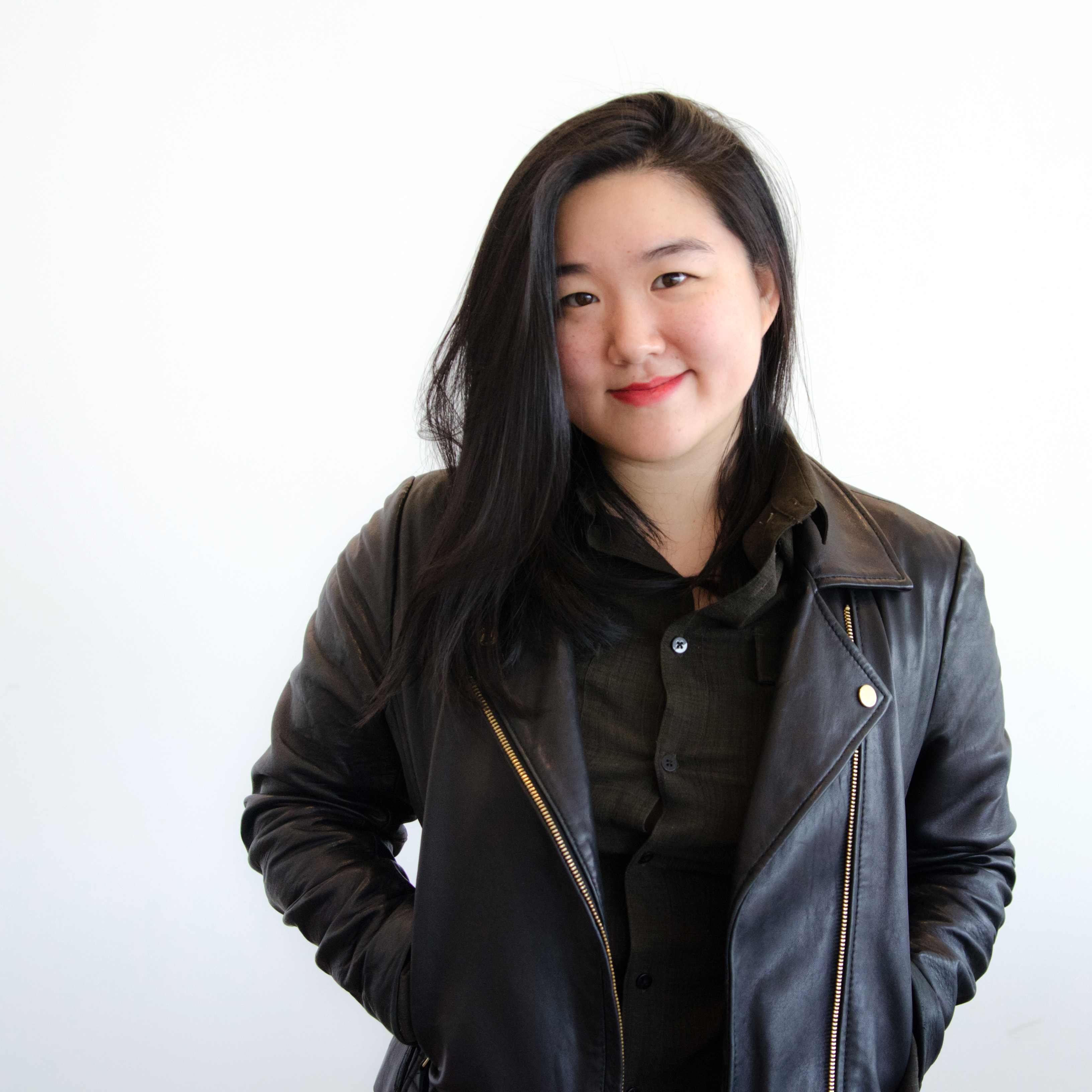 Emily Tseng
UW HCDE
Hosted by Franzi Roesner
Click here to RSVP
Towards Sociotechnical Safety
Today’s digital safety problems ask a lot of our research infrastructures. As computing becomes more social and more complex, so too do the vulnerabilities and exploits that attackers use to sow harm. We need to learn about technology’s role in harm to develop mitigations. But deep, empathetic, and nuanced research into these experiences asks survivors to repeatedly relive one of the worst moments of their lives, and asks researchers to repeatedly consider volumes and volumes of others’ pain and suffering. How do we learn about these experiences in ways that respect the dignity of survivors and the vicarious trauma of researchers, and still provide the rigorous science we need to create positive real-world impact? In this talk, I’ll draw on my work on technology’s role in intimate partner violence to spotlight substantive and methodological challenges in digital safety research today. I’ll describe how abusers use technology to stalk, harass, and surveil their victims, and the vital role of frontline computer security clinics. I’ll then show how participatory data stewardship and trauma-informed research design can reduce the burdens of this work on survivors and on researchers. Finally, I’ll turn to the growing phenomenon of people seeking relationship advice from chatbots, and how it poses new challenges for AI safeguarding approaches like red-teaming. Throughout, I’ll ask whose participation and expertise digital safety relies on, what we owe them, and what this means for a science of safety. I’ll conclude with directions for allied research communities across computer science, HCI, and responsible AI, towards what I call sociotechnical safety. Emily Tseng is an Assistant Professor at UW HCDE, where she runs the Sociotechnical Safety Lab. Her research examines how computing comes to mediate harm, how to intervene, and what it means to do so. Trained as a scientist-advocate for survivors of gender-based violence, she works across interpersonal, organizational, and societal levels of harm to make digital technology safer for everyone. Her group’s current research interests include digital safety in diaspora communities, building secure and private LLMs with and for journalists, and how AI mediation sets norms for care and harm in interpersonal relationships. Emily publishes at top-tier venues in human-computer interaction (ACM CHI, CSCW), computer security and privacy (USENIX Security, Oakland), and responsible AI (ACM FAccT). With her collaborators, she has earned several Best Paper distinctions and an Internet Defense Prize, third place. Emily earned her BA at Princeton University and her PhD at Cornell Information Science, and completed a postdoc at Microsoft Research with the Social Media Collective before joining the faculty at UW. She's excited to get to know Seattle and the UW community -- and already loves women's basketball, coffee, and a bicycle commute. |
Winter 2027
| Jan 1112–1pmCSE2 271 |
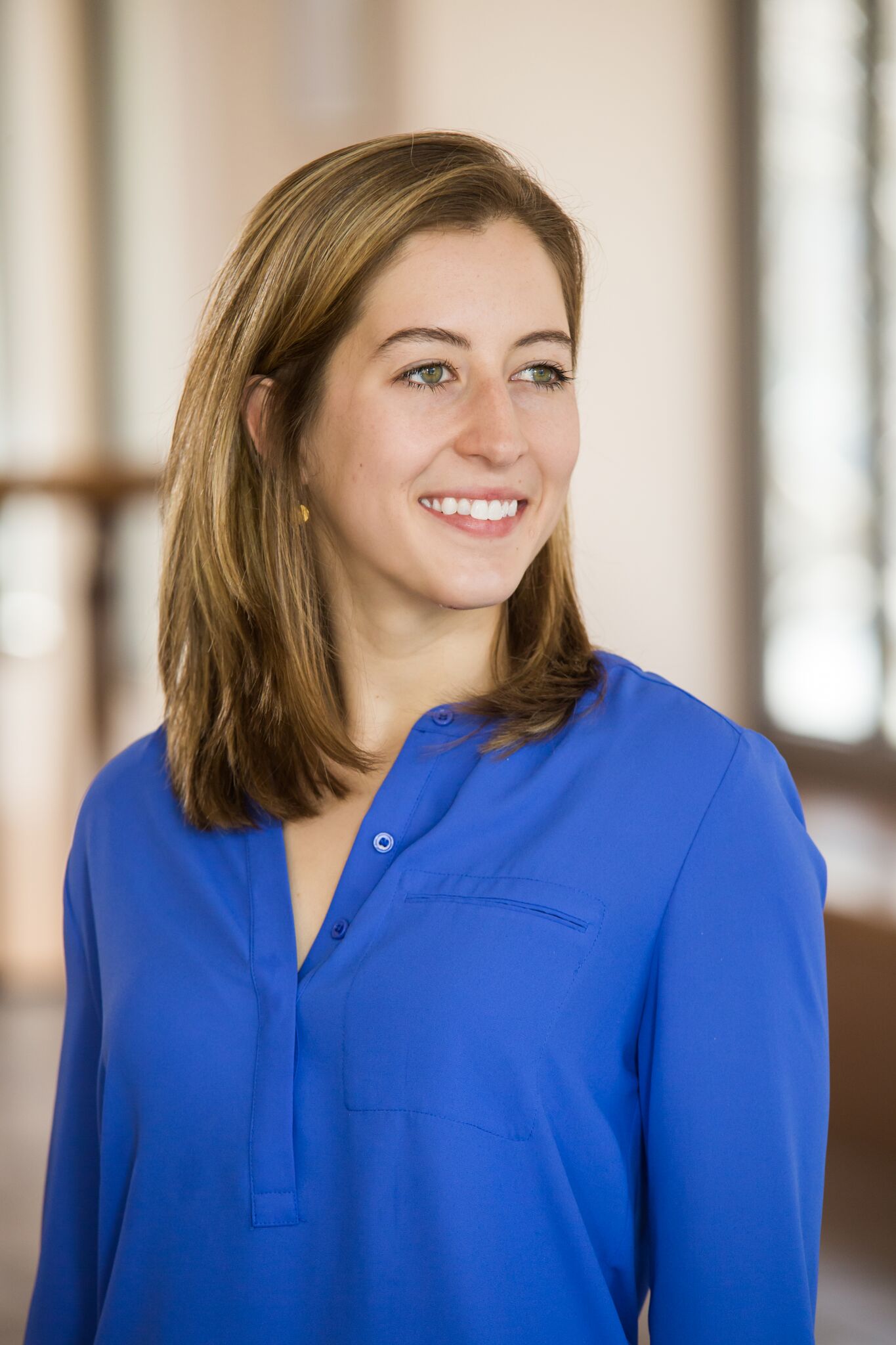 Caroline Trippel
Stanford
Hosted by Baris Kasikci
Click here to RSVP
[Talk title]
[Abstract]
[Speaker bio] |
| Jan 2512–1pmCSE2 271 | Speaker to be announced |
| Feb 2212–1pmCSE2 271 | Speaker to be announced |
Spring 2027
| Apr 1912–1pmCSE2 271 |
 Pardis Emami-Naeini
Duke University
Hosted by Franzi Roesner
Click here to RSVP
[Talk title]
[Abstract]
[Speaker bio] |
| May 1712–1pmCSE2 271 | Speaker to be announced |
Past lectures
Autumn 2026
| Oct 1912–1pmCSE2 271 |
 Eugene Bagdasarian
UMass Amherst
Hosted by Sewoong Oh
Click here to RSVP
Towards Agentic Privacy
An AI agent selling goods online should not share its owner’s home address with prospective buyers. Yet modern LLM agents, while generally capable, still struggle when exposed to untrusted or ambiguous inputs – especially when required to align with user privacy expectations. In this talk, I will first ground agentic privacy in the theory of Contextual Integrity. Then, I will discuss our work on isolating contexts for data minimization, evaluating models under ambiguity, and integrating user preferences into agentic permissions. Finally, I will outline open problems in preserving privacy across action trajectories and in multi-agent environments.
Eugene Bagdasarian is an Assistant Professor at University of Massachusetts Amherst and a Researcher at Google. His work focuses on studying attack vectors in AI systems deployed in real life and proposing new designs that mitigate these attacks. Previously, he received the Distinguished Paper Award at USENIX Security and an Apple AI/ML PhD Fellowship. |
| Oct 512–1pmCSE2 271 |
 Josh Benaloh
Microsoft Research
Hosted by Nirvan Tyagi
Click here to RSVP
Verifiable Elections: What We Can Do Today to Allow Voters to Confirm the Correct Counting of Their Votes
Abstract: We have a crisis of confidence in elections today in the U.S. and in many parts of the world. Voters are asked to "trust the process" without being given direct evidence that their votes have been counted correctly. We can do better! Technology has existed for over four decades that allows voters to independently verify that their votes have been accurately counted – without having to trust any election software, hardware, or personnel. This technology is now mature, practical, easy to use, and has been deployed in public elections. This talk will describe what it means for an election to be publicly verifiable, detail how these systems work, and reflect on lessons learned from real-world deployments. It will then outline a new approach which is much simpler than past efforts and mirrors the steps that election administrators already take in their current processes. Bio: Josh Benaloh is the Senior Principal Cryptographer at Microsoft Research and an Affiliate Professor at the University of Washington's Paul G. Allen School of Computer Science & Engineering. He is an author of the 2018 National Academy of Sciences report "Securing the Vote: Protecting American Democracy" and has testified before Congress on verifiable election technologies. His work has been featured in publications including The New Yorker and WIRED. Dr. Benaloh holds an S.B. degree from the Massachusetts Institute of Technology and M.S., M. Phil., and Ph.D. degrees from Yale University. He served seventeen years on the Board of Directors of the International Association for Cryptologic Research and currently serves on the Coordinating Committee of the Election Verification Network which he chaired from 2020-2024. Outside of professional activities, Dr. Benaloh served eight years on and chaired the Citizen Oversight Panel for Sound Transit which is investing $2 billion annually on expanding the public transit infrastructure for the Seattle region. He has also authored numerous puzzles for competitive puzzle-solving events. |